

by Miriam Carey Brown
My husband and I have adult children who live in other states so we are planning a family reunion. We want to make t-shirts with a cartoon of cows laying out on the beach with a speech bubble that says “We love beach udder”

When my oldest son Jackson was little, he had a bit of a speech impediment and he always used to say “beach udder” instead of “each other” I tried to help him pronounce it correctly, but he kept saying it wrong and I eventually gave up. Quincy, who was two years younger, pronounced it beach udder too because she learned it from him. It wasn’t until he learned to read that he finally understood. He came home from school one day and said, “Mom, why do they spell beach with an e instead of a b?” I was confused, and he said that in a book he read, it spelled beach udder e-a-c-h o-t-h-e-r. I explained that the book hadn’t spelled it wrong: he had just been saying it wrong. I suspect we have all had this happen , you’ve been singing the lyrics to a song wrong and then you find out Taylor Swift doesn’t have a lot of Starbucks lovers it sort of blows your mind. Learning to read opens your mind in pretty cool ways. The skills are so ordinary for adults that it can be boring to teach, but for kids it is exciting to see how the letter sounds they have been learning fit together to form words that they have been hearing and saying their whole life.
This season I want to talk about what children learn in first grade, and today we will talk about one of the most important concepts, building words out of letters. In academic terms, we call these skills blending, segmenting and decoding.
I hope that you have continued reading with your child, practicing the letters and the sounds and counting every chance you get. If you have, your child should have a very good grasp on the basic building blocks that will help them succeed in first grade. In grade one, we learn to put letters together to form words. This is harder than you might think. We don’t really think about words being formed by a bunch of different sounds. If you didn’t know how to read and I asked you how many sounds you hear when I say “cat,” you might say one. Why would you think to break that one syllable into three separate sounds C – A -T when they are so seamlessly blended up into one chunk? New readers must begin to put letter sounds together to form words; this is called blending. If they can also break small words up into their letter sounds, they will have an advantage in both reading and spelling. Breaking words into letter sounds is called segmenting. Some kids will be able to pick this up really easily, but for others, it will take a lot of time and practice. Especially for those who have a learning disability. For example, children with auditory processing disorder will have difficulty distinguishing similar sounds. Words like “bat” and “pat” will sound the same to them. Although their hearing is fine, their brains will struggle to process language. They will have a hard time blending sounds to form words, and they will have a hard time segmenting words into letter sounds. It really isn’t an easy skill for any child, but if your child is really struggling, it might be a good idea to take them to a speech pathologist. But since these skills, known as phonemic awareness, are so foundational to reading, it is a good idea for parents to give their children extra practice at home. Some of the other skills I will talk about this season can be learned at school if they get really good at blending and segmenting.
Individual attention can really make a difference when it comes to these basic language skills. There is just something really special about one-on-one interaction that helps our brains learn to communicate. Kids will learn much faster talking with a parent who responds to them than they will by passively hearing language, on a screen or just hearing someone in the room talking, but not directly to them. I found a video of my mom talking to one of her grandbabies. She was making a video to send to his mom, who was out of town. My nephew sits there with a blank face looking at the phone screen, but when she gives him a little kiss on his head he tilts towards her for another kiss and then starts interacting with her. He initiates a little game with sounds, and his face just lights up when she responds to the sounds he makes. You can hear how this interaction not only makes him really happy, but he is working on his pre-language development. Have a listen.
Our brains learn language best with interactive practice. You won’t get this kind of loving, responsive practice in a classroom of twenty or more children.
So how do you go about practicing phonemic awareness skills?
I like to start segmenting, or breaking words into their sounds, with simple guessing games. This is a really good skill to practice while you are driving because you can do it while you keep your eyes on the road.
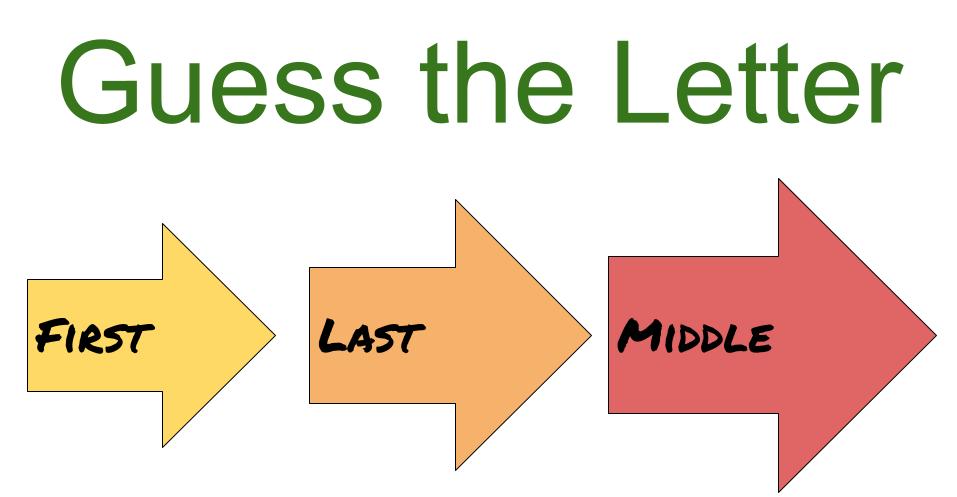
🚗There is a little game called “Guess my letter.” You say a word, and then your child has to guess what letter it starts with. You want to choose short, mostly three-letter words. Maybe start with a word they will get easily. If they have a book or a game that pairs letters with words, it will be easy. For example, “A” is often paired with the word apple. You might need to exaggerate the first letter sound to help them out at first. After they guess the correct letter, your child can choose a word, and you guess the first letter. But don’t guess it right away. Repeat the word and then say the word, broken into sound segments, B -A – T, repeat the first sound several times and then guess the letter. When it is your turn to choose a word, don’t do hard words for the first few weeks. Don’t choose silent letters like k as in knights in shining armor. Parents often make the mistake of moving on to advanced things before their child has truly mastered the basics. Don’t do it! Wait until they are in 5th grade before trying to trick them. When your child is bored, don’t make them keep playing; it is much better to play in short spurts on a regular basis than to do a big long session one time. One or two minutes a day is all you really need. Don’t get discouraged if this game is hard for your child at first. There is a very big difference between memorizing the letters and sounds and actually applying them to real-world language situations.
When they are really good at figuring out what letter the word starts with, you can then start playing “What does this word end with?” When they are really good at that, you might start doing the middle sounds of three-letter words, which is much, much harder. Another thing to keep in mind is to focus on the main sounds that letters make. Use words like gem for g instead of giraffe. The vowels will require you to think a bit. You will want to use what they call the short vowel sounds a -e- i -o – u.
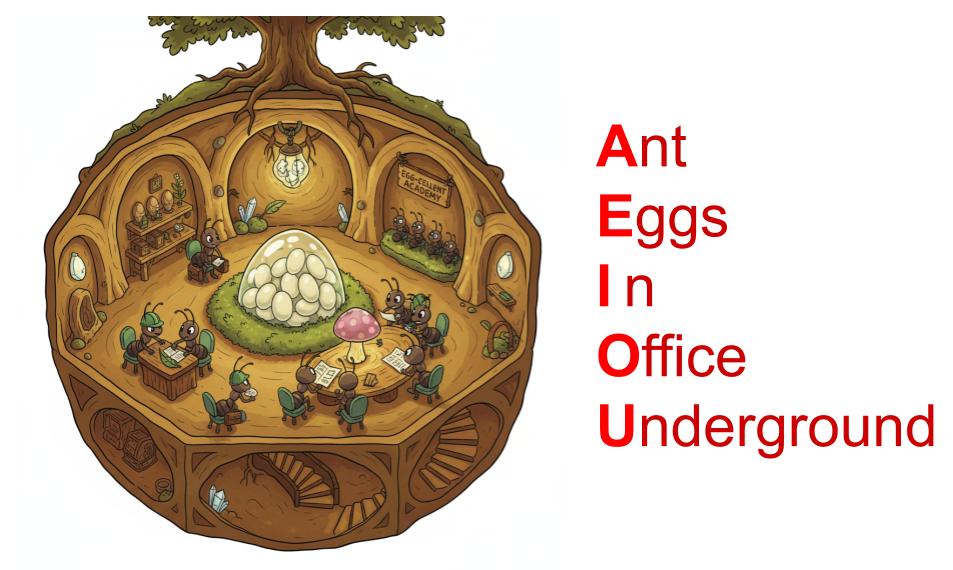
I like to use a picture of ant eggs in an office underground to help me remember words that start with short vowels. If that doesn’t work for you, try making your own silly way to remember the short vowels. One of the biggest challenges I see when helping kids sound out words in elementary school is they don’t understand when to use what letter sound when there are multiple choices. You are probably like, “Yeah, me neither. Most of the time, a vowel needs to team up with other letters in order to make any other sound than its short vowel sound. We will talk about those situations, but it’s best if kids get really, really comfortable defaulting to the main sound, or short vowel sound until they learn the words that use letter teams. The habit of defaulting to the short vowel is really hard to build if we introduce too much confusion too soon.

In first grade, students learn to blend sounds together to form words. The best time to practice this with them is during your bedtime story routine.
🌜On the first page of the story, when you see a simple three-letter word, you can point out the first letter, ask them what sound it makes, move to the next letter, ask the sound and then the last letter sound. You repeat all the sounds in order and slowly blend them together until your child guesses what the word is. B — A — T, B–A–T, B-A-T. Praise them for reading that word. You don’t have to do very many of these, just one or two a night, unless they are totally into it. They will soon start to understand that the letters on the page form words, and they will hopefully start trying to sound out small wordson their own in their books, at the store, on road signs, and at school.
You might find that blending letters together to form words during story time is much easier than segmenting, or pulling words apart to figure out their sounds. But if you practice these two basic skills in an interactive way with your child, they will be able to move at their own pace, but probably still keep up with the class. They will clear up little misconceptions like “beach udder” and start to understand more and more of the written world around them. It really is very exciting. I hope this episode helps you to know how you can support your child’s early reading skills and that you will make an effort to practice in short spurts in the car or while you cook or read stories. But for now, it’s time to put down your phone and go and play with your child.
 Public School Success
Leave a comment